


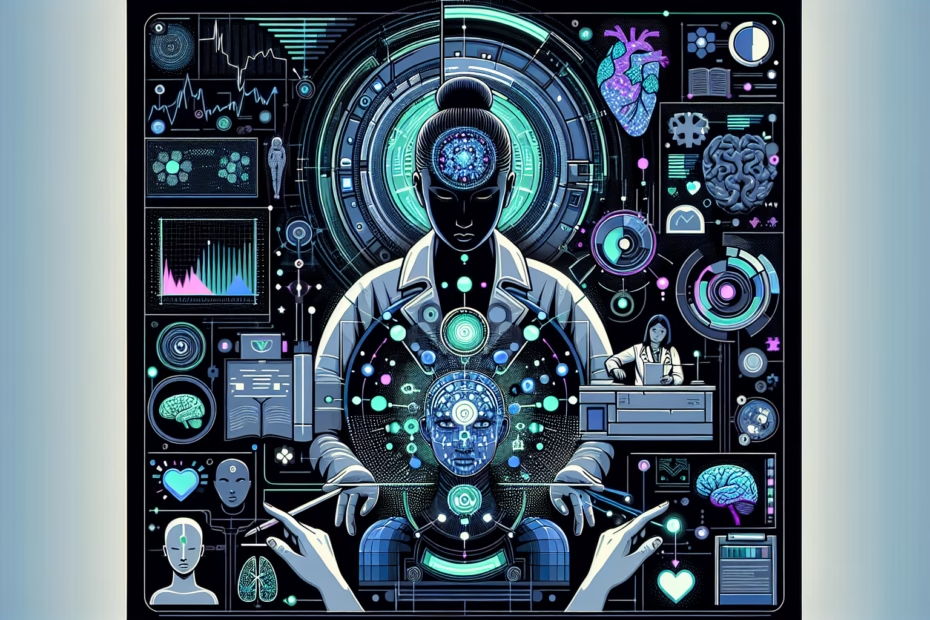
Artificial Intelligence in the Context of Psychology: Innovations and Risks
The intersection of Artificial Intelligence and psychology is becoming increasingly relevant as technologies advance. The ability of artificial intelligence to process large volumes of data and learn from it has brought significant innovations to psychological practice, from more accurate diagnoses to more effective therapy methods. but, this evolution does not come without its challenges and risks. In this article, we will explore the innovations that AI has brought to psychology, the associated risks, and what the future may hold for this fascinating combination.
The Role of Artificial Intelligence in Psychology
Psychology, as a science that studies behavior and mental processes, has always benefited from the use of tools that enhance the effectiveness of professionals’ work. In recent years, Artificial Intelligence has proven to be one of these tools, offering a range of practical applications that transform the way psychologists operate.
1. AI-Augmented Diagnosis
One of the main benefits of AI in psychology is the improvement in diagnosing mental conditions. Machine learning algorithms can analyze patterns in large datasets, identifying behaviors and symptoms that may go unnoticed in a traditional assessment. For example, studies show that AI systems can detect signs of depression and anxiety in social media records, providing valuable insights that therapists can use.
Practical Example
A study conducted by Stanford University demonstrated that an AI system could predict the presence of depression in patients by analyzing the language used in their online interactions. Researchers used machine learning models to identify linguistic patterns associated with depression, allowing mental health professionals to address these issues more proactively.
2. AI-Assisted Therapy
Another significant innovation is AI-assisted therapy. Digital platforms, such as therapy chatbots, are becoming popular as a form of psychological support. These systems can provide emotional support, monitor the user’s mood, and offer coping techniques, all in real-time and accessible at any time.
Advantages of AI-Assisted Therapy
- Accessibility: Users can access support 24/7, eliminating barriers of time and location.
- Cost-effectiveness: Many platforms offer services at reduced prices compared to traditional therapy sessions.
- Data Analysis: User interactions can be analyzed to provide insights into progress and treatment effectiveness.
3. Psychological Assessment Tools
AI is also revolutionizing psychological assessment tools. With the ability to process data quickly, AI-based assessment platforms can provide test results with greater accuracy and efficiency. These systems can evaluate a wide range of factors, from personality traits to the severity of mental disorders.
Examples of Tools
- Online Personality Tests: Platforms like 16Personalities use algorithms to provide a detailed analysis of personality traits.
- Anxiety and Depression Assessments: Apps that use AI to monitor mood and provide real-time feedback to users.
Risks of Integrating AI in Psychology
Despite the promising innovations, the integration of AI systems tech in psychology also raises ethical and practical concerns. It is essential to address these risks to ensure that technology is used responsibly and effectively.
1. Privacy Concerns
One of the biggest concerns is data privacy. Platforms that use AI often collect and analyze sensitive personal information. This raises questions about who has access to this data and how it is used.
Protective Measures
- Encryption: Ensuring that user data is encrypted to protect personal information.
- Transparency: Platforms should be transparent about how data is collected, stored, and used.
2. Dependence on Technology
Another risk is the possibility of users becoming overly dependent on AI technologies for emotional support, to the detriment of human interaction. While chatbots can be helpful, they do not replace the empathy and understanding that a human therapist can provide.
Balanced Approach
It is essential for mental health professionals to encourage a balance between the use of digital tools and human treatment, ensuring that patients do not neglect to seek support in critical moments.
3. Ethical Issues
The use of AI in psychology also raises hard ethical questions. Algorithms can perpetuate existing biases if they are not trained on representative datasets. This can result in misdiagnoses or a lack of appropriate treatment for certain groups.
Mitigation Strategies
- Diversity in Data: Ensuring that the data used to train algorithms is representative of the general population.
- Continuous Review: AI systems should be continuously reviewed and updated to avoid biases and ensure accuracy.
The Future of AI in Psychology
As technology advances, the future of Artificial Intelligence in psychology promises to be even more innovative. Several trends and developments are emerging that could shape how mental health is treated.
1. Human-AI Interaction
The future may bring greater integration between humans and Artificial Intelligence. Instead of replacing therapists, AI could serve as a supportive tool, providing information and insights that help professionals better understand their patients’ needs.
2. Personalized Therapy
With the use of AI algorithms, therapy could become more personalized. Platforms could analyze patient data and suggest specific therapeutic approaches based on their individual needs, enhancing treatment effectiveness.
3. Proactive Prevention
AI could be used to develop proactive prevention systems, monitoring early signs of mental health issues and intervening before conditions worsen. This could include alerts for caregivers and treatment recommendations.
Conclusion
Artificial Intelligence is becoming an essential part of modern psychology, offering innovations that can improve diagnosis, treatment, and support. but, it is crucial to address the risks associated with this technology, ensuring that data privacy is protected and that human interaction is not replaced.
As we move forward, we must continue to explore how artificial intelligence can be used ethically and responsibly, always with the goal of improving mental health and well-being.
References and Further Reading
For those who wish to delve deeper into the topic of Artificial Intelligence in psychology, here are some suggestions:
- “Artificial Intelligence and Mental Health” – A book in Portuguese discussing the application of AI in mental health and its implications.
- “Artificial Intelligence in Behavioral and Mental Health Care” – A book in English exploring the applications of AI in psychology and psychiatry. Link to purchase.
- Harvard Business Review article on AI in Health – Link to the article.
Calls to Action
If you are a mental health professional, consider how AI can be incorporated into your practice. Attend workshops, read more on the topic, and stay informed about innovations that can benefit your patients. If you are a patient, talk to your therapist about how technology can assist in your treatment.