


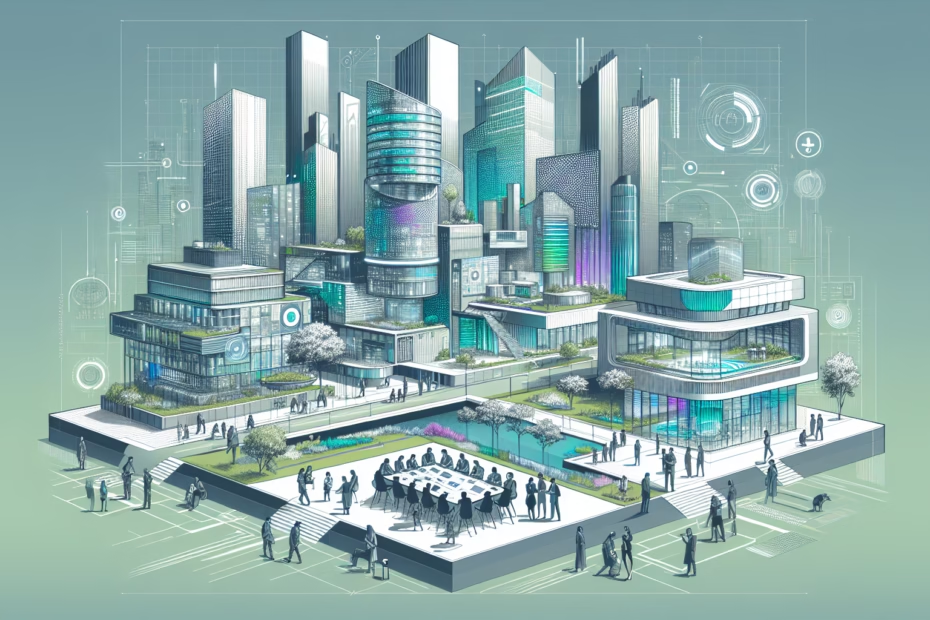
How Artificial Intelligence Is Transforming Architecture
Architecture, one of the oldest and most respected professions in the world, is undergoing a revolution driven by Artificial Intelligence (AI systems). With the advent of new technologies, architects and engineers are benefiting from tools that promise besides .* also to optimize the efficiency and sustainability of projects. In this article, we will explore how AI is changing things of architecture, the available tools, the advantages and disadvantages of this transformation, and what it means for professionals in the field.
The Digital Revolution in Architecture
What is Artificial Intelligence?
Before we dive into the impact of AI on architecture, it is essential to understand what it really means. AI refers to the simulation of human intelligence processes by computer systems. This includes learning, reasoning, and self-correction. In architecture, this translates into software and tools that can assist in design, data analysis, and trend forecasting.
The Role of Technology in Architecture
Architecture has always been a profession that benefits from technology. From the invention of the pencil to the use of 3D modeling software, each technological advancement has brought new opportunities and challenges. AI is the next step in this evolution, offering tools that can automate tasks, improve design accuracy, and enable complex simulations.
AI Tools in Architecture
With the growth of Artificial Intelligence, various tools are being developed to meet the needs of architects. Here are some of the most relevant:
1. Generative Modeling
Generative modeling is a technique that uses AI algorithms to create designs based on parameters defined by the user. For example, an architect can input constraints such as lot size, budget, and functional requirements, and the tool will generate a series of design options. This besides .* also offers innovative solutions that the architect may not have considered.
2. Construction Data Analysis
Software like Autodesk Revit and BIM (Building Information Modeling) are integrating AI to analyze large volumes of data. This can include everything from a building’s energy performance to traffic analysis in urban areas. The information can be used to optimize design and ensure that buildings are besides .* also functional and sustainable.
3. Simulations and Forecasting
AI enables realistic simulations that help architects visualize how a project will perform over time. This includes simulations of natural light, ventilation, and even resistance to natural disasters. With this information, architects can make adjustments before construction, saving time and resources.
4. Virtual Assistants
Virtual assistants, such as ChatGPT and other AI systems, can help architects manage administrative tasks, such as scheduling meetings or organizing documents. also, they can offer design suggestions or research market trends, allowing professionals to focus more on creativity and innovation.
Advantages of Integrating AI in Architecture
The adoption of Artificial Intelligence in architecture brings a number of significant benefits:
1. Increased Efficiency
With tools that automate repetitive tasks, architects can focus on the creative aspects of design. This besides .* also improves the overall quality of the work.
2. Innovative Design
Generative modeling and information analysis allow architects to explore design solutions that might otherwise go unnoticed. This can lead to more creative and functional outcomes.
3. Sustainability
By using AI to analyze the energy performance and carbon footprint of a project, architects can create more sustainable buildings. This is especially key in a world where environmental concerns are becoming increasingly critical.
4. Better Decision-Making
With access to real-time information and simulations, architects can make more informed decisions. This can include everything from material selection to space planning, resulting in more effective and adaptable projects.
Challenges of Implementing AI in Architecture
Despite the many benefits, the integration of Artificial Intelligence in architecture is not without challenges. Here are some of the main obstacles professionals face:
1. Implementation Costs
Adopting new technologies can be expensive, especially for small architecture firms. The costs of software and training can be a significant barrier for many professionals.
2. Resistance to Change
As in any industry, resistance to change can be an issue. Many architects may feel comfortable with traditional methods and hesitate to adopt new technological tools.
3. Dependence on Technology
Excessive reliance on technology can lead to a devaluation of human skills. Architects must find a balance between using AI tools and trusting their own creativity and judgment.
4. Ethical Issues
The use of AI in architecture raises ethical questions, particularly regarding privacy and intellectual property. It is crucial for professionals to consider these issues when integrating new technologies into their work.
The Future of Architecture with AI
1. Necessary Skills
As AI becomes an integral part of architecture, the skills required for professionals in the field are also changing. In addition to traditional design skills, architects now need to understand how to use AI tools and how to interpret the data they provide.
2. Interdisciplinary Collaboration
The integration of AI in architecture is likely to lead to greater collaboration among different disciplines. Architects, engineers, data scientists, and technology experts will work together to create innovative and sustainable solutions.
3. New Career Opportunities
The growth of AI systems in architecture may also open new career opportunities. Professionals who combine design skills with knowledge in technology and data analysis will be in high demand.
4. Focus on Sustainability
As society becomes more aware of environmental issues, the use of artificial intelligence to create sustainable buildings will become increasingly important. Architects who can integrate AI technologies into sustainable projects will have a significant competitive advantage.
Conclusion
The transformation of architecture by Artificial Intelligence is a reality that is already underway. With its numerous tools and applications, AI systems besides .* also opens new pathways for sustainability and innovation. but, it is essential for professionals in the field to be aware of the challenges and prepare for a constantly evolving future.
If you are an architect or someone interested in design, consider exploring the available AI tools and how they can benefit your work. The architecture of the future is being shaped now, and Artificial Intelligence is a fundamental part of this process.
References and Further Reading
- Books in English:
- Artificial Intelligence: Structures and Strategies for Complex Problem Solving – George F. Luger.
The Architecture of Artificial Intelligence – Daniel G. Leite.
Useful Links:
- ArchDaily – A leading architecture website.
- Dezeen – A platform for modern design and architecture.
- AI in Architecture – American Institute of Architects focusing on innovation.
Explore these references and start your journey at the intersection of architecture and AI systems tech!