


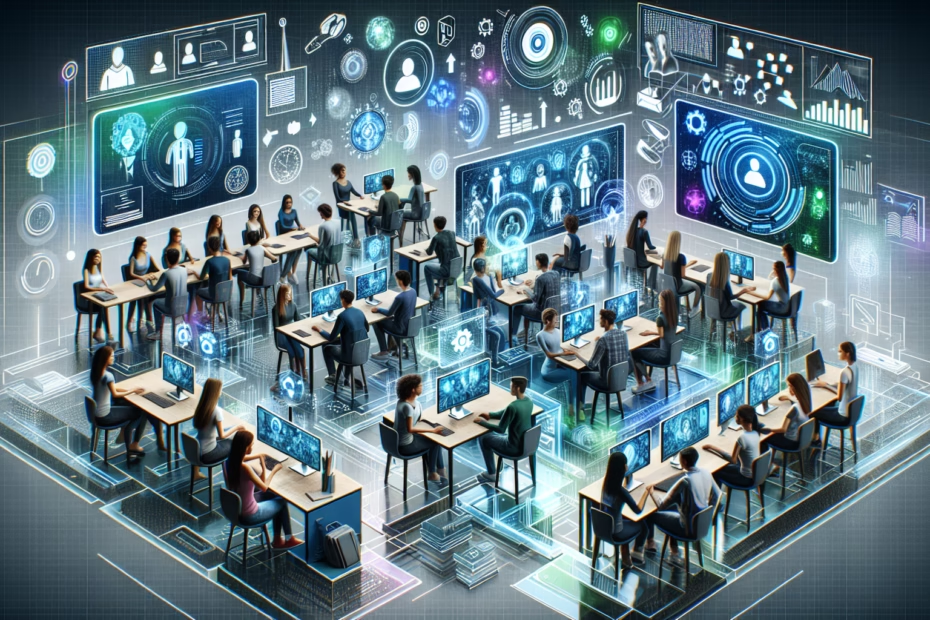
The Impact of Artificial Intelligence on Education: Risks, Cultural Changes, and New Techniques
The introduction of Artificial Intelligence (AI) in education is entirely transforming the way we teach and learn. From personalized learning to the automation of administrative tasks, AI promises to revolutionize the educational sector. but, with these changes come significant risks and a growing need for cultural adaptation. This article explores the impacts of AI on education, highlighting both the benefits and challenges it brings.
The Personalization Revolution in Teaching
Personalization is one of the most promising aspects of AI in education. With advanced algorithms, educational platforms can analyze student performance data to create personalized learning experiences. This means that each student can progress at their own pace and learning style, receiving content tailored to their specific needs.
Global Examples of Personalization
In the United States, the platform DreamBox Learning uses artificial intelligence to offer personalized math lessons for elementary students. The platform automatically adjusts the difficulty level of questions based on student performance. Similarly, in China, Squirrel AI uses algorithms to adapt the curriculum according to individual students’ skills in real-time.
Benefits of Personalization
- Increased Engagement: Students tend to engage more when the material is relevant to them.
- Improved Performance: By learning at their own pace, students can better understand concepts.
- Reduced Anxiety: Students do not feel pressured by constant comparisons with peers.
Risks Associated with AI Integration
While AI brings many potential benefits, there are also significant risks that need to be considered. One major risk is information privacy. Educational platforms collect large volumes of personal data about students, including sensitive information that must be adequately protected.
Privacy Concerns
The massive collection of data raises concerns about how this information is stored and who has access to it. Data breaches or unauthorized access can have serious consequences for students and institutions. so, it is essential to implement stringent cybersecurity measures.
Excessive Technological Dependence
Another risk is excessive reliance on technology. If schools become too dependent on AI systems, they may neglect effective traditional methods or lose essential skills in face-to-face teaching. also, technical problems or system failures can seriously disrupt the educational process.
Necessary Cultural Changes
To effectively integrate AI into education, cultural changes are needed among teachers as well as students and school administrators.
Training and Professional Development
Teachers need to be trained to use AI-based tools effectively. This includes understanding how to interpret data generated by these tools to adjust their teaching strategies.
- Training Programs: Institutions should offer ongoing training programs to help teachers adapt to new technologies.
- Interdisciplinary Collaboration: Encouraging collaborations between technical and pedagogical departments can facilitate a more seamless integration of technology into classrooms.
Student Adaptation
Students should also be prepared to interact with AI-based technologies from an early age. This besides .* also prepares them for a future where these technologies will be even more prevalent.
New Educational Techniques Facilitated by AI
With the evolution of artificial intelligence, new educational techniques are rapidly emerging. These techniques promise to make learning more engaging and effective than ever before.
Game-Based Learning
Game-based learning utilizes playful elements to teach complex concepts in a fun and interactive way. AI can help create even more immersive experiences by adapting game elements to individual student preferences.
Practical Examples
For instance, platforms like Prodigy Education use math games that automatically adjust to the student’s level through artificial intelligence. This keeps students challenged without causing excessive frustration.
Intelligent Virtual Tutors
Virtual tutors equipped with AI tech are becoming increasingly common in digital classrooms. These tutors provide personalized support to students outside traditional school hours.
- Immediate Feedback: Virtual tutors can provide instant feedback on assignments or student questions.
- 24/7 Availability: Unlike traditional human tutors, these systems are available at any time of day or night.
Ethics in Implementing AI in Education
The ethical implementation of AI tech-based technologies in schools is crucial to ensure that all students have fair and equal opportunities when using these powerful tools.
Important Ethical Considerations
- Transparency: Institutions should be transparent about how they use data collected through these platforms.
- Digital Inclusion: Ensuring equal access to digital technologies should be a top priority.
- Prevention Against Algorithmic Bias: Developers need to be aware of unconscious biases embedded in algorithms used by automated educational platforms.
Promising Future: The Way Forward
Despite the challenges associated with widespread implementation of artificial intelligence technologies within modern global schools today—including issues related to individual privacy—there are ample reasons for optimism about a promising future where these tools will be harmoniously integrated into existing educational systems around the world!
The way forward involves continuous collaboration among innovative technology devs; visionary academic leaders; engaged parents; and, of course, motivated students! Together we can build a truly transformative educational environment capable besides .* also preparing the next generation to face complex challenges in the 21st century!
Additional Resources To Explore More About This Fascinating Topic:
- Recommended Book: “Artificial Intelligence: A Modern Approach” by Stuart Russell
- Recommended Article: The Role of AI in Education
If you are interested in learning more about how to integrate artificial intelligences within today’s academic context, we strongly recommend exploring the additional resources listed above!