


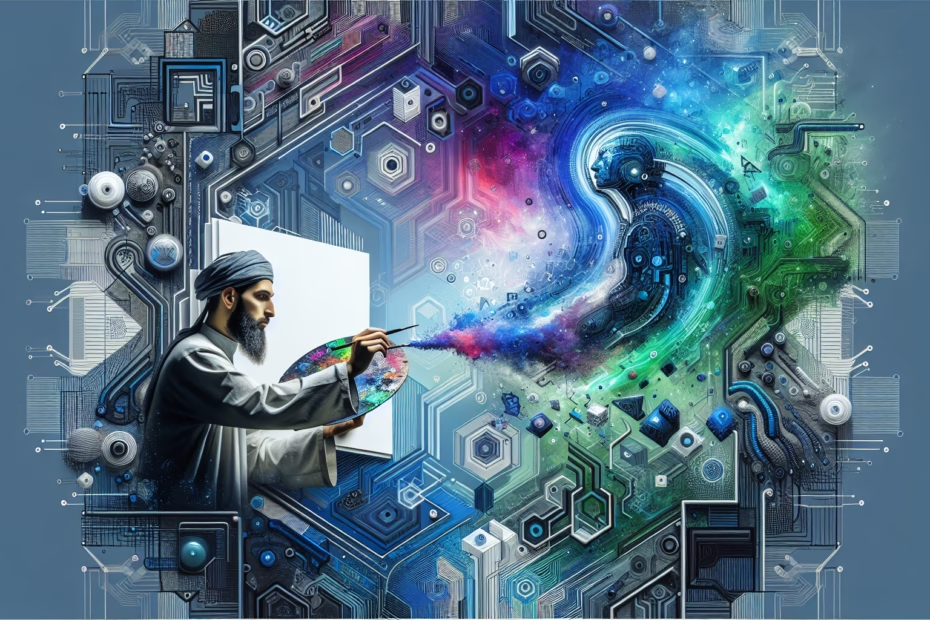
The Revolution of Artificial Intelligence in Art: Images, Music, and Cinema
intelligent systems (AI) has transformed the way we perceive and create art, encompassing various fields such as images, music, and cinema. This article explores how these technologies are shaping the contemporary artistic landscape, providing new tools to creators and challenging traditional notions of authorship and creativity. also, we will discuss the ethical and social implications of this revolution, as well as offer practical examples and references for further exploration of the topic.
The Intersection of Artificial Intelligence and Art
What is Art?
Before delving into the impact of artificial intelligence on various forms of art, it is essential to reflect on what we understand by art. Art is a creative expression that can take many forms, including painting, sculpture, literature, music, and cinema. Traditionally, artistic creation has been viewed as a human gift, a reflection of experience and emotion. but, the advent of Artificial Intelligence challenges this view, raising questions about the nature of creativity.
The Role of Artificial Intelligence in Artistic Creation
AI can be seen as a set of algorithms and models that, when trained with large amounts of data, can generate artistic productions autonomously or with assistance. This ability to “learn” from existing data allows AI to create works that imitate styles, explore new combinations, and even introduce aesthetic innovations.
Examples of AI Use in Art
1. Images
Image generation through AI is one of the most visible and impactful areas of the intersection between technology and art. Tools like DALL-E, MidJourney, and Stable Diffusion allow artists and enthusiasts to create images from textual descriptions. For example, by entering a phrase like “a dragon flying over a futuristic city at night,” the algorithm generates various visual interpretations of that scene.
These technologies besides .* also democratize art, allowing people without technical skills to express their ideas visually. but, the question arises: who is the author of the generated work? The artist who provides the description or the machine that interprets it?
2. Music
In music, artificial intelligence is being used to compose, produce, and even perform songs. Tools like AIVA (Artificial Intelligence Virtual Artist) and OpenAI Jukedeck create original compositions in various styles. These platforms enable both professional and amateur musicians to collaborate with the machine, creating a new form of co-authorship.
A notable example is the composition of soundtracks for films and games, where AI can generate melodies that adapt to the emotional environment of the scene. This besides .* also offers new sounds that can enrich the listener’s experience.
3. Cinema
The film industry is also benefiting from AI tech. From script analysis to film editing, AI is becoming an essential tool. For instance, AI systems can analyze large amounts of box office information to predict a film’s success, helping studios make informed decisions about investments and marketing.
also, AI is used to create stunning visual effects and even to generate virtual performances of deceased actors, raising ethical questions about consent and representation. The film “Rogue One: A Star Wars Story” used AI technology to recreate the appearance of Peter Cushing, who died in 1994, sparking debates about the limits of using this technology.
Ethical and Social Impacts of Artificial Intelligence in Art
Authorship and Originality
One of the most heated debates about AI in art concerns authorship. When a work is created by an algorithm, to whom does that creation belong? The discussion about originality is also complex, as many AI systems rely on existing works to generate new creations. This raises questions about plagiarism and copyright, becoming a fertile ground for legal disputes.
The Perception of the Artist
With the rise of AI in artistic creation, the perception of the artist may change. If the machine can generate works of art, what is the role of the human artist? The answer may be that the role of the artist evolves into that of a curator, who selects and guides the creations of AI, rather than being the sole creator.
Inclusion and Accessibility
The democratization of artistic creation provided by AI systems is a double-edged sword. On one hand, it allows more people to express their ideas and create art, regardless of their technical skills. On the other hand, there is also the risk that art may become homogeneous, as many users may rely on similar tools to create.
Examples of Projects and Artists Using AI
Refik Anadol
Refik Anadol is an artist and designer who uses AI to transform data into immersive visual experiences. His work explores the intersection of art, science, and technology, creating installations that challenge the perception of space and form. A notable example is the installation “Melting Memories,” which uses memory data to create dynamic and emotional visualizations.
David Cope
David Cope is a composer who developed app called EMI (Experiments in Musical Intelligence) that can compose music in various styles, imitating classical composers like Bach and Beethoven. His work questions originality in music and raises debates about what it truly means to be creative.
Mario Klingemann
Mario Klingemann is an artist who uses AI algorithms and neural networks to create generative art. His work reflects on creativity and the machine, exploring AI’s ability to create images that challenge aesthetic conventions.
The Future of Artificial Intelligence in Art
Emerging Trends
As technology advances, we can expect to see new trends emerging in the field of AI-generated art. Some of these trends may include:
Human-Machine Collaboration: Artists and machines working together to create new forms of art, combining human creativity with AI’s analytical capabilities.
Personalization: AI can be used to create personalized artworks for individuals, based on their preferences and emotional history.
Augmented and Virtual Reality: The combination of AI with augmented and virtual reality technologies can create immersive artistic experiences that transcend traditional physical boundaries.
Challenges to be Addressed
While the possibilities are exciting, there are also challenges to be faced. Ethics in the use of AI in art, protection of copyright, and preservation of artistic diversity are issues that require ongoing dialogue among artists, technologists, and lawmakers.
Conclusion
Artificial Intelligence is changing things of art in ways that were previously unimaginable. By exploring new frontiers in the creation of images, music, and cinema, AI besides .* also challenges us to reevaluate our own understanding of creativity and authorship. As we navigate this new landscape, it is vital that we continue to discuss the ethical and social implications of this technology, ensuring that art remains a rich and diverse expression of the human condition.
References for Further Exploration
- Books in Portuguese:
- Art and Artificial Intelligence: The New Frontier – Various authors.
Culture, Technology, and Art – Silvio de Almeida.
Links in English:
- Artificial Intelligence and Art: A New Frontier
- AI and Creativity: The Future of Art
- The Ethics of AI in Art
With the continuous evolution of technology, the field of art is destined to expand and transform. so, the interaction between Artificial Intelligence and art is not just a passing trend, but rather a revolution that promises to forever change the way we create and appreciate beauty.